75 Soft Challenge 2026: Rules, Tracker & 75 Hard
Last updated June 26, 2026. This guide refreshes the rules, safety notes, 75 Hard comparison, and printable/digital tracking workflow for 2026.
The 75 Soft Challenge is a 75-day habit-building framework for people who want the structure of 75 Hard without the all-or-nothing pressure. A practical 2026 version uses five daily rules: eat well, move for 45 minutes with one active recovery day each week, drink about 3 liters of water, read 10 pages, and sleep 7-8 hours. Treat those rules as a wellness framework, not medical advice. If you are pregnant, managing kidney or heart conditions, recovering from an eating disorder, taking medication that affects fluids, or returning to exercise after injury, adjust the plan with a qualified clinician.
The value of 75 Soft is not that every rule is perfect for every body. The value is that each rule is visible, repeatable, and easy to track for 75 days. That makes the challenge useful for building consistency without turning one missed day into a restart.
Looking for a stricter middle path? See the companion 75 Medium Challenge guide.
75 Soft Challenge Rules: Quick Table
| Rule | 2026 75 Soft target | Practical note |
|---|---|---|
| Eat well | Choose a balanced diet you can repeat | Define your boundaries before Day 1: meals, snacks, alcohol, and exceptions. |
| Move daily | 45 minutes each day, with one active recovery day per week | Walking, yoga, mobility, cycling, strength training, or low-impact cardio can all count. |
| Hydrate | About 3 liters of water per day | Adjust for body size, climate, training load, and health conditions. Food and other drinks also contribute to total fluid intake. |
| Read | 10 pages of nonfiction or personal-development reading | Paper, ebook, or audiobook notes are fine if the habit is intentional. |
| Sleep | 7-8 hours per night | Plan bedtime like a challenge task, not an afterthought. |
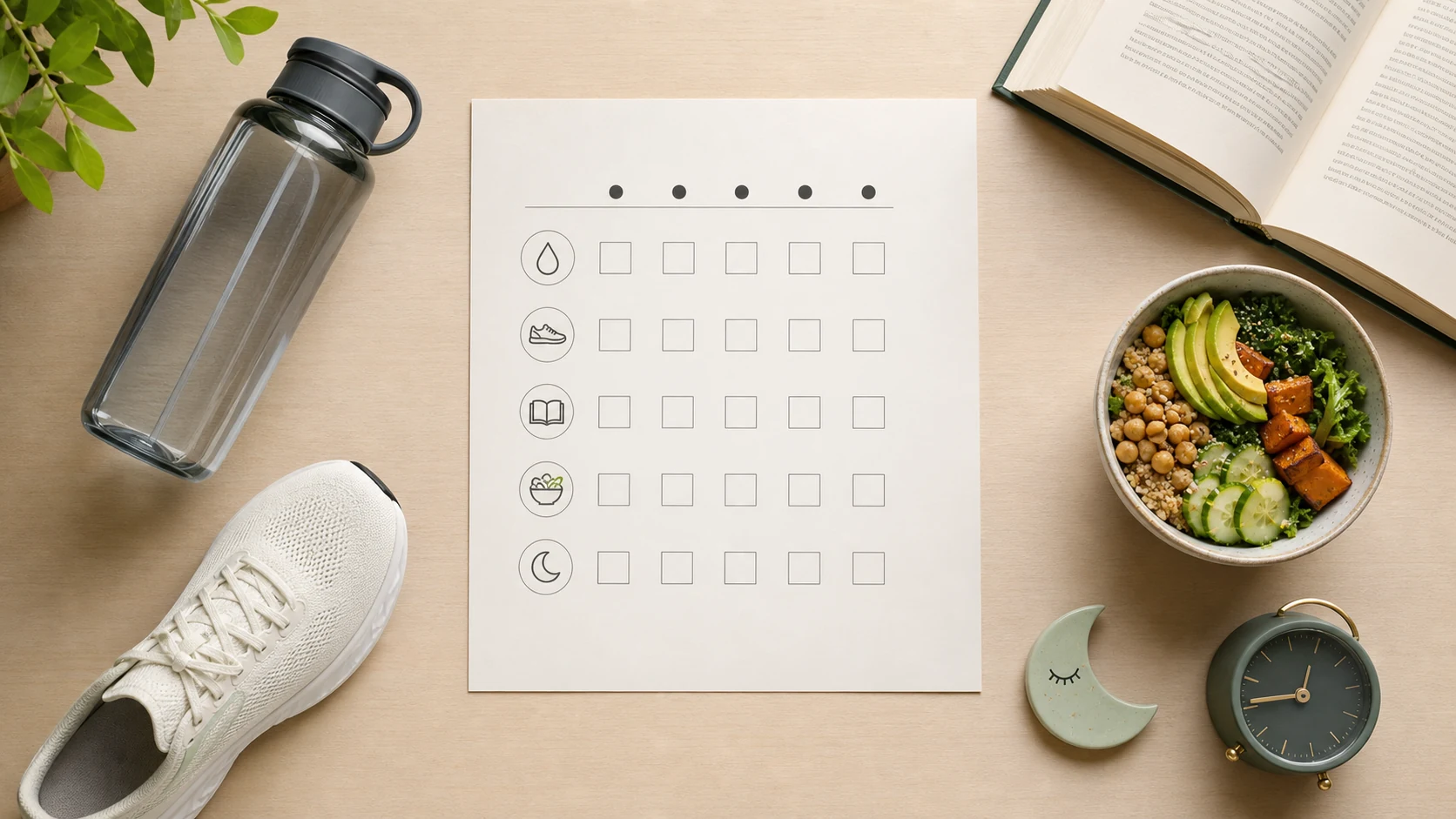
75 Soft vs 75 Hard vs 75 Medium
75 Soft is often discussed as a community-friendly alternative to Andy Frisella's official 75 Hard program. The main difference is failure policy. 75 Hard is deliberately rigid: miss a requirement and restart. 75 Soft is designed for habit formation and sustainability: miss a task, learn from it, and continue.
| Requirement | 75 Soft | 75 Medium | 75 Hard |
|---|---|---|---|
| Workout | One 45-minute session, active recovery allowed | One 45-minute session, often with a weekly outdoor session | Two 45-minute workouts; one must be outdoors |
| Diet | Balanced diet you define | Chosen plan with a compliance buffer | Strict diet; no cheat meals |
| Alcohol | Usually limited to social occasions | Usually restricted or counted against compliance | None |
| Water | About 3 liters, adjusted responsibly | Often personalized by bodyweight | 1 gallon per day |
| Reading | 10 pages daily | 10 pages daily | 10 pages daily |
| Progress photo | Optional | Often required | Required daily |
| Missed day | Keep going and correct the pattern | Continue if within the buffer | Restart from Day 1 |
Choose 75 Soft if you are new to routine-building, recovering from burnout, or need a plan that fits family, school, or work. Choose 75 Medium if you want more accountability without a full reset rule. Choose 75 Hard only if you deliberately want a high-friction mental toughness program and can recover safely.
Is the 75 Soft Challenge Healthy?
It can be, if you keep the rules proportional. The U.S. Department of Health and Human Services recommends adults aim for 150-300 minutes of moderate-intensity activity per week plus muscle-strengthening work on 2 days. A daily 45-minute 75 Soft routine can fit inside that guidance if you vary intensity and reserve one day for active recovery.
Hydration needs are less universal. The National Academies' reference intake for total water is about 3.7 liters for men and 2.7 liters for women, including water from food and all beverages. That means the 3-liter rule is a useful challenge target for many people, but it should not override thirst, medical advice, or electrolyte needs.
Sleep is the most underrated rule. The CDC says adults generally need at least 7 hours of sleep per night. If the challenge makes you train harder while sleeping less, it is not working as a sustainable plan.
How to Start: 7-Day Setup Plan
Before Day 1, spend a week removing ambiguity. Ambiguous rules fail because every tired evening turns into a negotiation.
- Choose your five rule definitions. Write exactly what counts as eating well, movement, hydration, reading, and sleep.
- Pick your active recovery day. Walking, stretching, yoga, and mobility all count if they are intentional and gentle.
- Create a meal default. Decide 2-3 repeatable breakfasts, lunches, and dinners so the diet rule does not depend on willpower.
- Set a water plan. Use a bottle size that makes tracking obvious, then adjust if your clinician or body tells you the target is too high or low.
- Choose the first book. Keep it visible. If reading at night causes sleep loss, move it to the morning or lunch.
- Block the workout window. Treat it like a meeting. A consistent time is more useful than a perfect workout.
- Build the tracker before you start. Put all 75 days in one place so you can see streaks, gaps, and patterns.
Use a Printable or Digital Tracker
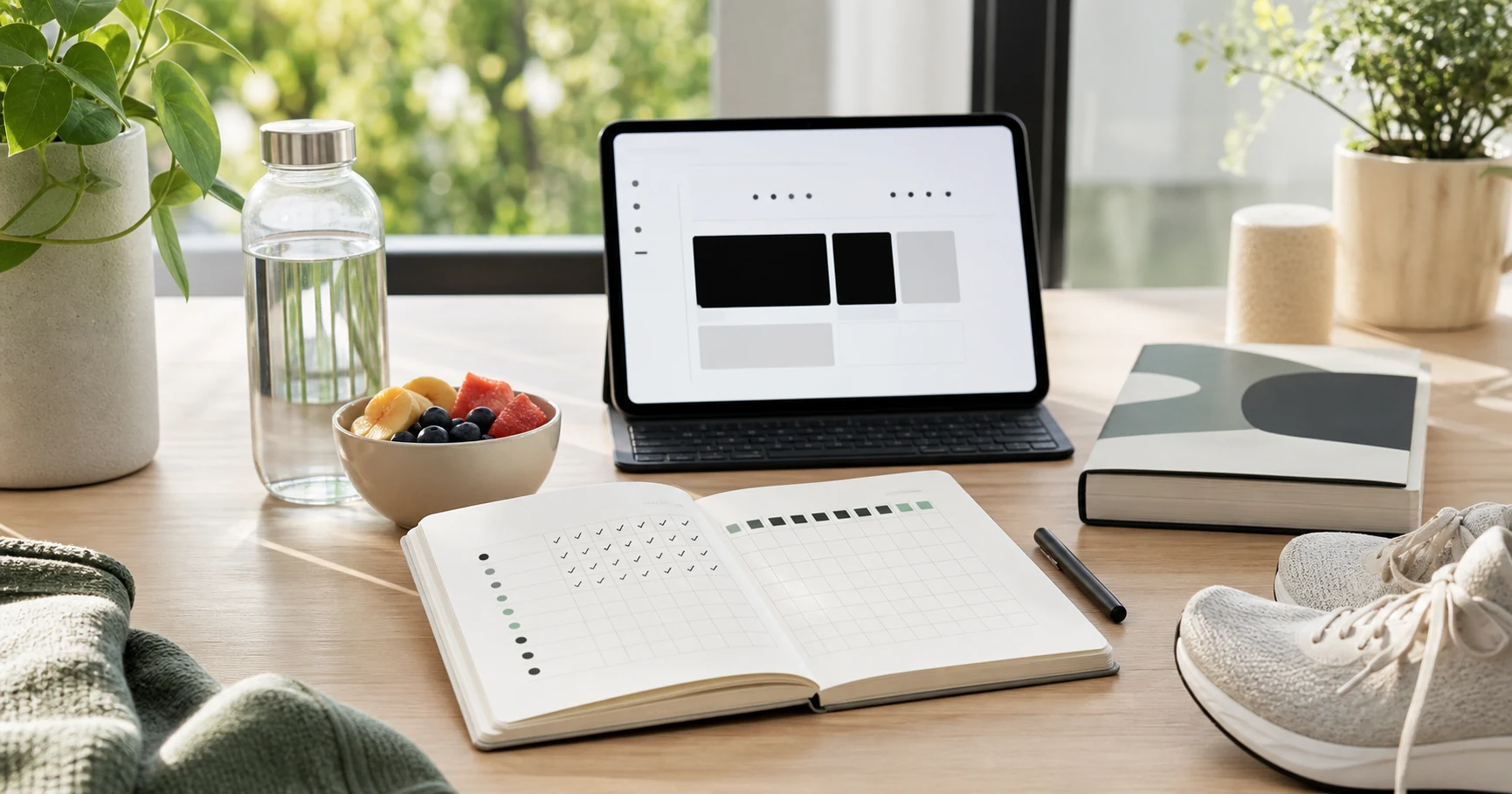
A tracker turns the 75 Soft Challenge from a mood-based goal into observable behavior. You should be able to answer three questions in under 30 seconds: What is done today? What is left today? Which rule is slipping over the last 7 days?
AFFiNE's Habit Tracker Template is a good fit because it can work as a printable checklist or a digital workspace. Set up five rows for the rules, 75 columns or day cards for the timeline, and a weekly reflection section. If you prefer a software comparison first, the best habit tracker apps guide can help you choose a format.
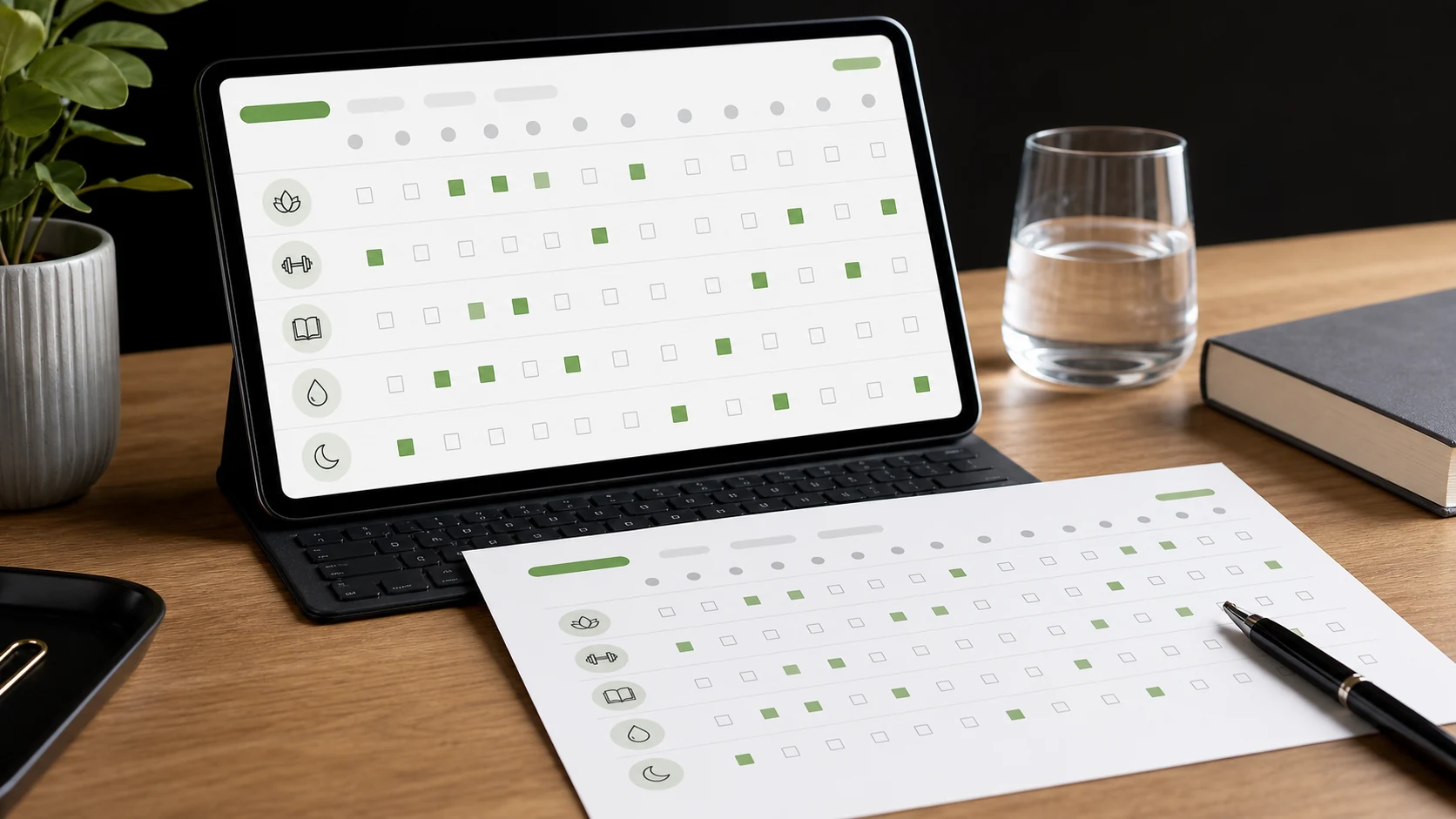
Use these fields in your tracker:
| Field | Why it matters |
|---|---|
| Date and day number | Prevents losing count after weekends or travel. |
| Five rule checkboxes | Keeps the challenge scannable. |
| Workout type and intensity | Helps prevent repeating hard days without recovery. |
| Water target and actual intake | Makes hydration measurable without obsessing over every sip. |
| Bedtime and wake time | Shows whether sleep is supporting the rest of the challenge. |
| Weekly note | Captures patterns: missed workouts, low-energy days, or overpacked schedules. |
Customize for Real Life Without Losing the Challenge
75 Soft should be flexible, but not vague. Flexibility means you predefine safe substitutions. Vagueness means the rule changes whenever the day gets hard.
Try these substitutions:
| If this happens | Use this 75 Soft adjustment |
|---|---|
| You are sore or underslept | Make the 45 minutes a walk, mobility session, or gentle yoga. |
| You are traveling | Use hotel-room mobility, a walking route, and a water bottle you can refill after security. |
| A social dinner is planned | Decide the alcohol and food boundary before you arrive. |
| You miss a rule | Log the miss, write the cause, and continue the next day. Do not restart unless you personally want the stricter reset rule. |
| You lose motivation around Day 20-35 | Change the workout type, move reading earlier, or use body doubling for planning. |
Common Obstacles and Fixes
Problem: The water target feels too high. Fix: treat 3 liters as a challenge default, not a universal prescription. Adjust for body size, climate, sodium intake, and medical conditions. A water intake tracker can help you notice patterns without overcorrecting.
Problem: You keep missing workouts. Fix: lower the activation energy. Put shoes by the door, set a recurring calendar block, and define a minimum viable workout such as a 45-minute walk.
Problem: The diet rule is too vague. Fix: write a short rule card. Example: protein at each meal, vegetables twice per day, dessert only after dinner, alcohol only at planned social events. Avoid moral language like "good" or "bad" foods.
Problem: Reading happens too late. Fix: attach 10 pages to breakfast, commuting, or lunch. If you are also working on study habits, use the same cue from the study habits guide: make the next action visible before you need it.
Problem: One missed day becomes a lost week. Fix: record the miss as data. Was it schedule overload, poor sleep, hunger, or unrealistic rules? The correction matters more than the streak.
What to Do After 75 Days
The best outcome is not a dramatic Day 75 finish. It is knowing which habits are worth keeping on Day 76.
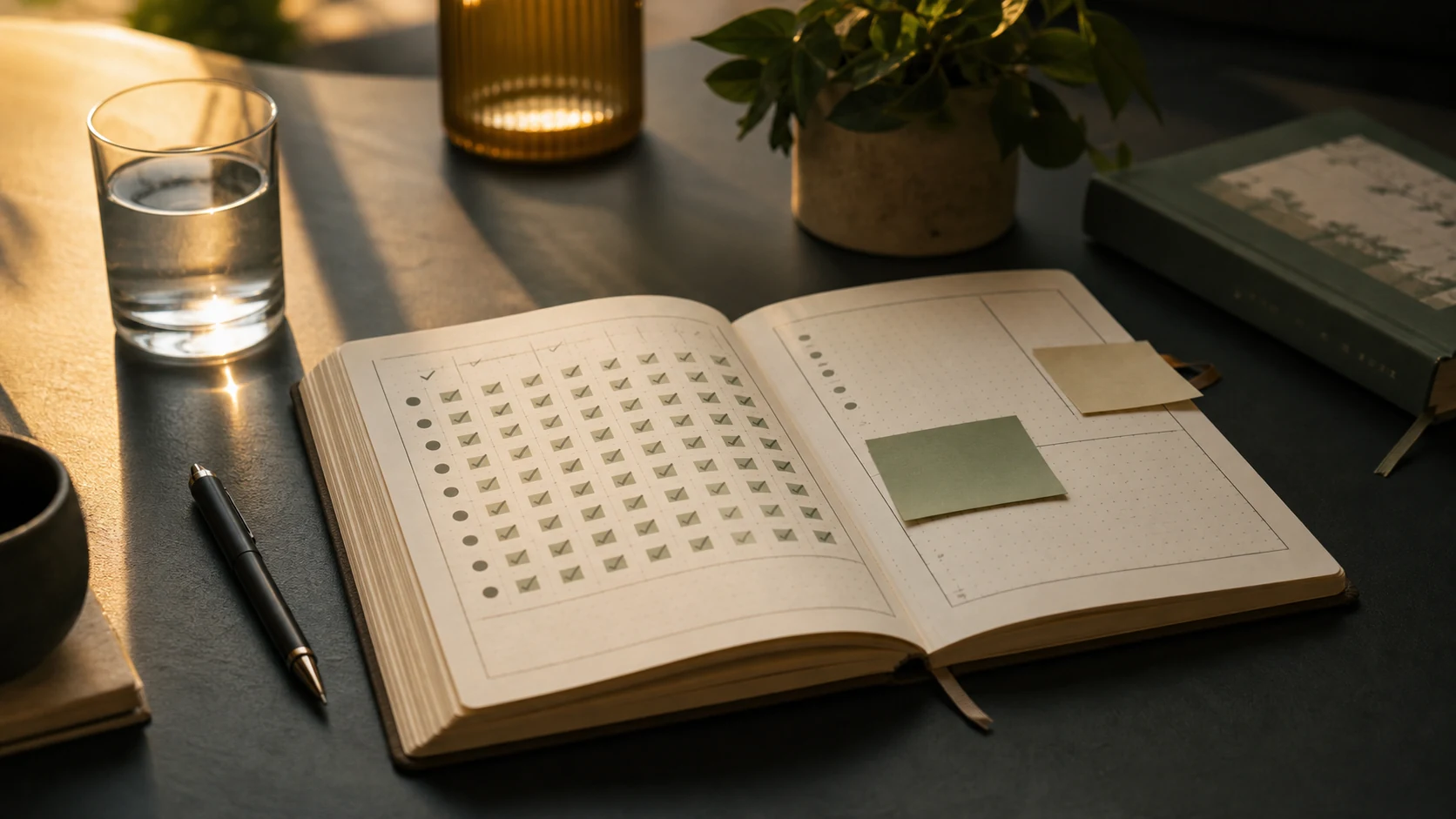
At the end, review the tracker and sort each rule into one of three buckets:
| Bucket | What to do next |
|---|---|
| Keep | Continue it almost unchanged because it improved your daily life. |
| Modify | Reduce the intensity but keep the habit, such as 30 minutes of movement instead of 45. |
| Retire | Drop the rule if it created stress without a meaningful benefit. |
A sustainable habit challenge should leave you with clearer self-knowledge, not just a completed checklist.
Frequently Asked Questions
What is the 75 Soft Challenge?
The 75 Soft Challenge is a 75-day wellness and habit-building framework with daily rules for eating well, movement, hydration, reading, and sleep. It is more flexible than 75 Hard and is usually used to build consistency rather than enforce a restart policy.
What are the main 75 Soft Challenge rules?
The common 2026 version uses five rules: eat well, complete 45 minutes of daily movement with one active recovery day each week, drink about 3 liters of water, read 10 pages, and sleep 7-8 hours. Some communities use four rules or omit sleep, so define your version before Day 1.
Is 75 Soft easier than 75 Hard?
Yes. 75 Soft is easier because it allows active recovery, flexible food rules, social exceptions, and no automatic restart after one missed task. 75 Hard is intentionally stricter and includes two daily workouts, one outdoor workout, no alcohol, progress photos, and a reset rule.
Do I need to drink exactly 3 liters of water every day?
No. Three liters is a challenge target, not a medical prescription. Adjust for your body size, sweat, climate, diet, and health conditions. If a clinician has given you fluid guidance, follow that guidance first.
What counts as exercise for 75 Soft?
Any intentional 45-minute movement session can count if it matches your fitness level: walking, cycling, strength training, yoga, mobility work, pilates, swimming, or low-impact cardio. Use active recovery when your body needs a lighter day.
What should I use to track 75 Soft?
Use a tracker that shows all five rules and all 75 days in one place. A printable sheet works well for visibility; a digital tracker works well for notes, reminders, and weekly reflection. AFFiNE's Habit Tracker Template supports both approaches.